Review: Gaming Retro Design - Level 20 for Embroidery
As a designer who spends more time staring at stitch maps than actual fabric, I have learned that not every digital graphic translates well into thread. We often see stunning Graphics in the Crafts niche that look incredible on a screen but turn into a tangled mess under the needle. That is why I approach every new download with a healthy dose of skepticism. Recently, I pulled Gaming Retro Design - Level 20 from my library to test its viability for a client’s custom apparel line. What follows is my honest assessment of how this design holds up when moved from a vector file to a tangible, stitched reality.
First Impressions and Visual Personality
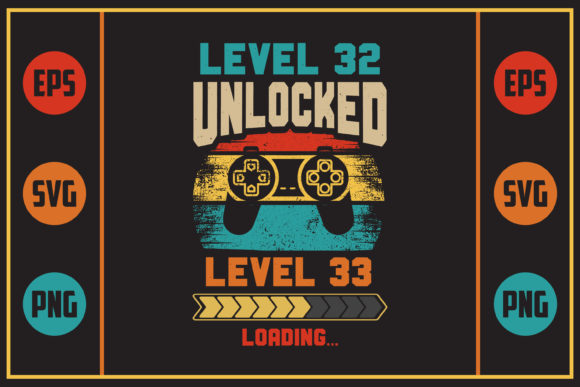
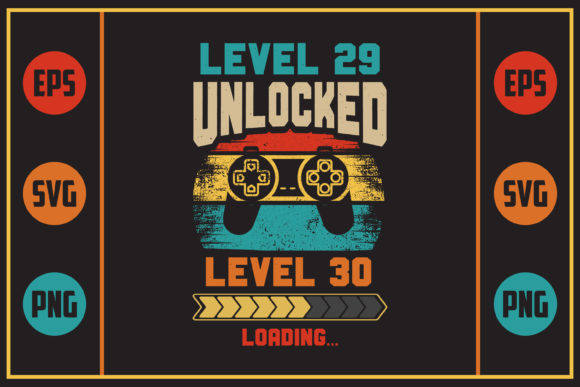
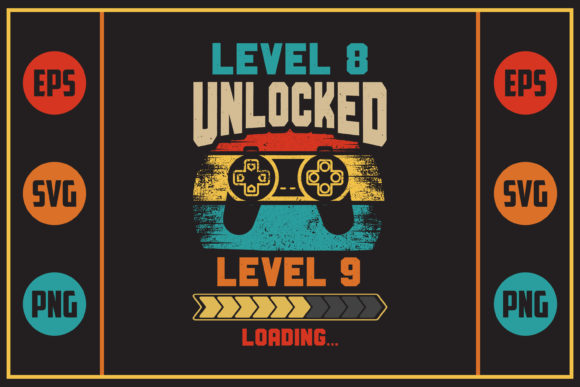
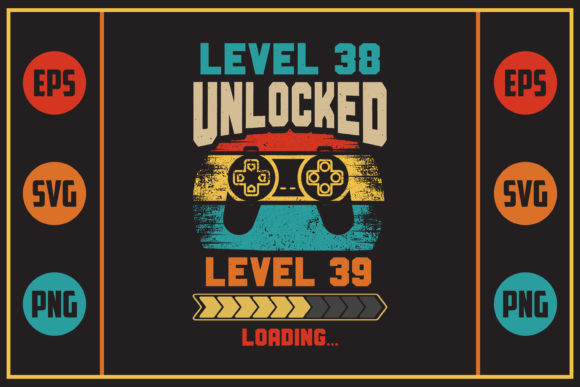
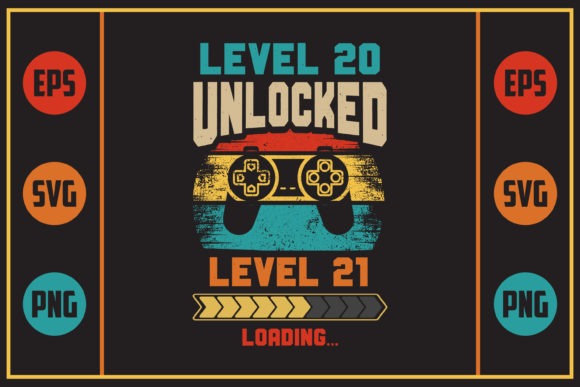
The moment I unzipped the file, I was looking for clean lines and logical geometry. Gaming Retro Design - Level 20 delivers a distinct nostalgic mood, tapping into that pixelated, 8-bit aesthetic that remains perennially popular. The layout is bold, which is immediately promising for embroidery. Intricate, thin lines are the enemy of good stitching, but this design relies on blocky, substantial shapes that suggest it will cover well without excessive density.
Visually, it feels playful yet structured. It does not scream "childish" in a way that limits its market; rather, it hits that sweet spot of retro cool that appeals to millennials and Gen Z alike. For an embroidery project, this visual personality suggests versatility. It is not just for baby clothes; it has the edge required for adult streetwear or boutique home decor. The lack of overly complex gradients in the source SVG means we can rely on solid thread colors to do the heavy lifting, simplifying the production process significantly.
Real-World Application: The Sweatshirt Test
To truly evaluate Gaming Retro Design - Level 20, I needed a real-world scenario. I chose a mid-weight cotton blend sweatshirt, a staple for any craft business or Etsy seller. The goal was to create a piece of custom apparel that felt premium, not like a promotional giveaway.
I placed the design on the left chest area. This is a critical decision point. Because the design is graphic and bold, it commands attention. On a sweatshirt, the texture of the fleece provides a soft backdrop that contrasts nicely with the sharp edges of the retro gaming motif. During the digitizing phase—if you are converting the SVG yourself—or when selecting a pre-digitized version, pay close attention to the stitch density. A design like this benefits from a balanced fill. Too dense, and the fabric puckers; too light, and the garment shows through, breaking the illusion of the solid graphic.
The result was striking. The finished product had a tactile quality that a printed vinyl transfer simply cannot match. The threads caught the light, giving the pixelated edges a subtle dimension. For a small shop product, this added perceived value is crucial. Customers are willing to pay more for embroidery because it signals durability and craftsmanship.
Navigating Fabric and Hoop Constraints
While the design performed well on the sweatshirt, I must address where caution is needed. Not every surface is forgiving. If you are planning to use Gaming Retro Design - Level 20 on a tote bag design made of canvas, you are generally safe due to the stability of the fabric. However, moving this onto a curved surface like a cap requires careful planning. The rigid geometry of the retro style can distort if the hoop tension is not perfect or if the cap buckram is weak.
Furthermore, consider the hoop size. While the design is scalable, shrinking it down for a tiny embroidered patch or a baby onesie might cause the individual "pixels" or elements to merge. In embroidery, detail loss happens quickly at small scales. I recommend running a test stitch on scrap fabric at your intended size before committing to the final garment. This is especially true for baby embroidery, where soft, stretchy knits require robust stabilizer support to prevent warping.
Dark fabrics present another challenge. If you are stitching this on black navy or charcoal, ensure your thread colors have high contrast. A muted palette might get lost. Conversely, on light fabrics, avoid using white thread for outlines unless you want a subtle, tonal look. The design’s strength lies in its clarity, so color choice is paramount to maintaining that retro pop.
Commercial Viability and Brand Consistency
For commercial embroidery professionals and digital product sellers, consistency is key. Gaming Retro Design - Level 20 offers a reliable asset for building a cohesive brand identity. Whether you are creating holiday embroidery gifts for gamers or stocking your online store with personalized gift options, this design fits neatly into a modern, geek-chic aesthetic.
It is important to note what you are actually purchasing. The product description states: WHAT YOU GET DIGITAL DOWNLOAD ONLY no physical product. Your purchase includes one .zip file with the following 1 SVG file – For Cricut Explore, Silhouette Designer Edition, Adobe Suite, Inkscape, Core. This is a crucial distinction. An SVG is a vector graphic, not a native machine embroidery file like PES or DST.
This means you, the designer, are responsible for the digitization process or using software that converts SVGs to stitch files. This adds a layer of work but also gives you complete control over satin stitch widths, fill stitch angles, and running stitch underlays. For experienced designers, this is a benefit. You can tailor the embroidery file to specific machines and fabrics. For beginners, be aware that you cannot simply load this SVG into an embroidery machine. You must convert it first.
Practical Designer Notes for Best Results
To get the most out of Gaming Retro Design - Level 20, keep these practical tips in mind:
- Test on Scrap First: Always run a sample on the same fabric type you intend to use. Check for puckering and registration issues.
- Check Contrast: View your design in black and white to ensure the shapes remain distinct without color reliance.
- Stabilizer Selection: Use a cut-away stabilizer for stretchy fabrics like t-shirts and sweatshirts to maintain shape after washing.
- Verify Licensing: Before selling handmade products featuring this design, confirm the license terms provided by the creator. Ensure commercial use is permitted for physical goods.
- Digitizing Quality: If converting the SVG, pay attention to corner sharpness. Retro designs need crisp turns, which may require specific stitch angles to avoid rounding.
Final Verdict
Gaming Retro Design - Level 20 is a strong contender for designers looking to add a playful, nostalgic element to their portfolio. It bridges the gap between digital design assets and tangible Crafts effectively, provided you handle the technical conversion from SVG to stitch with care. It is not a plug-and-play solution for those without digitizing skills, but for those who understand the mechanics of embroidery, it offers a flexible, high-impact graphic. Whether used for a printable mockup to gauge interest or stitched into a best-selling apparel decorator item, this design holds its own. It respects the medium, offering bold shapes that celebrate the texture of thread rather than fighting against it.