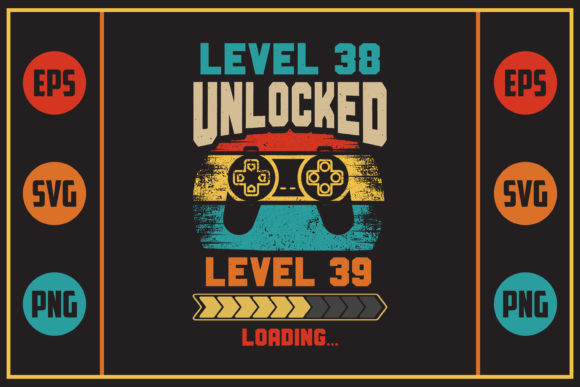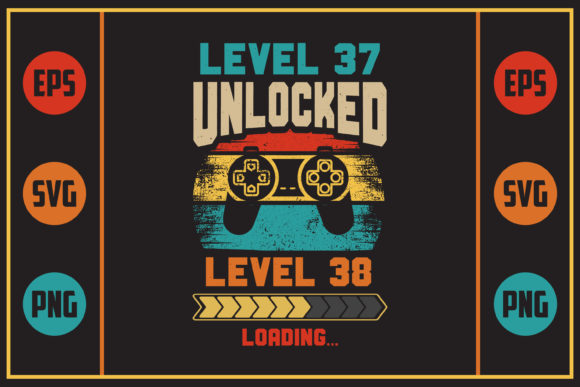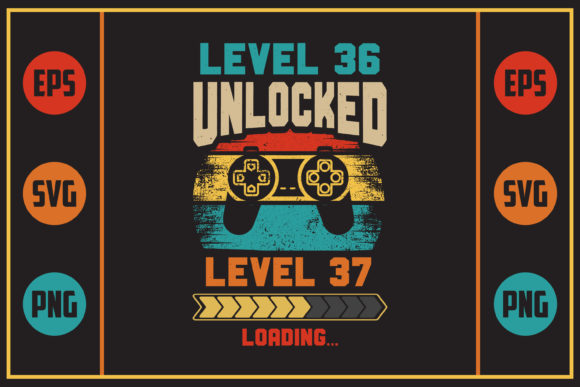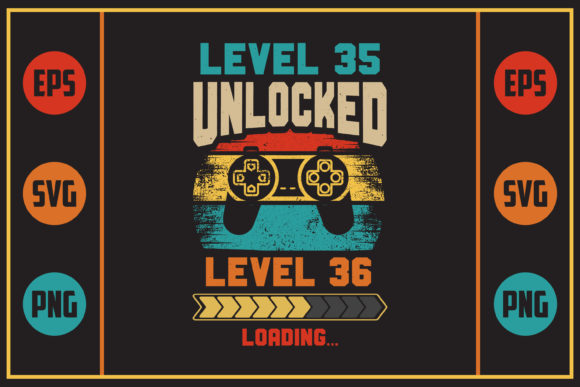
Retro Gaming Graphics for Crafts & Blogs
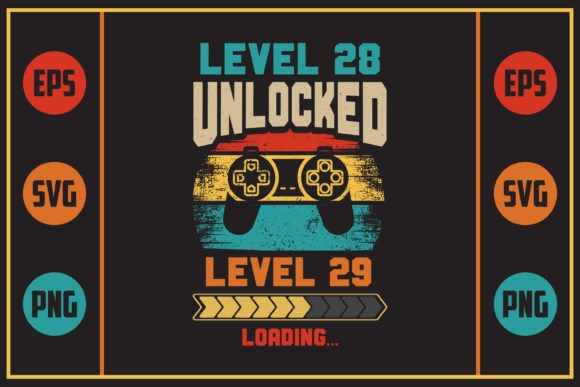
As a digital publisher who has spent over a decade refining the visual identity of high-traffic blogs and editorial platforms, I have learned that the difference between a bounce and a conversion often comes down to milliseconds of visual processing. When I first encountered Gaming Retro Design - Level 28, my immediate reaction was not just about aesthetics, but about utility. In the crowded landscape of content marketing, finding a graphic design asset that balances nostalgia with modern clarity is rare. This piece does not merely sit on a page; it commands attention while maintaining the professional polish required for serious editorial design.
The Editorial Mood and Reader Perception
The first impression of this asset is distinctly playful yet structured. It evokes a specific era of digital culture—the pixelated charm of early arcade games—without feeling dated or amateurish. For a blog designer, this creates an immediate editorial mood that is energetic, approachable, and slightly nostalgic. It signals to the reader that the content associated with this image is likely to be engaging, fun, and accessible.
This visual tone is particularly effective for niches such as technology reviews, gaming communities, creative tutorials, and lifestyle blogs targeting millennials or Gen Z audiences. However, its versatility extends further. Because the design relies on strong geometric shapes and clear lines, it can support educational content by breaking up dense text or illustrating concepts related to progression, levels, and achievement. It feels less like a decorative afterthought and more like an intentional component of the web design strategy, enhancing brand identity through consistent visual cues.
Integrating the Asset into Real Publishing Workflows
In a real-world publishing workflow, Gaming Retro Design - Level 28 serves as a versatile foundation for multiple content formats. As a digital download, it arrives as a scalable vector graphic, which is crucial for maintaining quality across different media. Here is how I envision integrating this into a standard content calendar:
- Blog Featured Images: The bold lines of the design make it ideal for hero images. When paired with a strong headline, it creates a compelling entry point for articles about gaming history, retro tech, or even productivity hacks framed as "leveling up" your skills.
- Pinterest Pins: Vertical layouts benefit from high-contrast graphics. This asset provides the visual hook needed to stop the scroll, especially when overlaid with concise, benefit-driven text.
- Newsletter Headers: Email marketing relies on quick visual recognition. Using this graphic in newsletter banners can reinforce brand consistency and increase open rates by creating a familiar, trusted visual language.
- Digital Guides and Lead Magnets: For creators offering downloadable resources, such as eBooks or worksheets, this design can serve as a chapter divider or cover accent. It adds perceived value to the digital product, making it feel more curated and professional.
- Social Media Graphics: Whether for Instagram carousels or Twitter headers, the retro aesthetic stands out against the typically minimal or overly polished feeds of competitors, offering a unique visual identity.
Enhancing Content Performance Through Visual Hierarchy
The primary goal of any graphic design asset in a publishing context is to support the content, not overpower it. Gaming Retro Design - Level 28 excels in establishing visual hierarchy. Its distinct shapes guide the eye naturally, allowing designers to place key information—such as call-to-action buttons or headline text—in areas of high visibility. This leads to better click-through potential and improved reader trust, as the layout feels intentional and easy to navigate.
Furthermore, consistent use of such assets strengthens category recognition. If a blog uses this retro style for all its gaming-related posts, readers will instantly recognize the topic before reading a single word. This efficiency in communication is vital for affiliate marketing and content marketing strategies, where reducing friction in the user journey directly impacts conversion rates.
Strategic Placement and Cautionary Notes
While this asset is powerful, it must be used strategically. It works best in contexts where it has room to breathe, such as website headers, large article thumbnails, and dedicated promotional banners. However, caution is advised when using it in small mobile thumbnails or busy layouts. The intricate details of retro designs can sometimes lose clarity at very small sizes, potentially confusing the viewer.
Additionally, consider the tone of your niche. While perfect for creative, lifestyle, or tech-focused content, this playful aesthetic may clash with serious professional niches, such as corporate finance or legal advice, where a minimal and sober visual system is expected. Always test the design against your existing brand identity to ensure it complements rather than contradicts your overall message.
Practical Publisher Notes for Implementation
To maximize the value of Gaming Retro Design - Level 28, I recommend a rigorous testing phase before full deployment. Start by previewing the asset on both desktop and mobile screens to ensure readability and impact across devices. Check how it interacts with different typography styles. It pairs surprisingly well with bold sans serif fonts for a modern look, but can also create an interesting contrast with script or handwritten fonts for a more eclectic, creative vibe.
Pay close attention to contrast and readability. If placing text over the graphic, ensure there is sufficient separation, perhaps using a semi-transparent overlay or adjusting the opacity of the design element. For web performance, remember that while the source file is a vector, you will need to export it appropriately for web use. Compress images properly to maintain fast load times, which is critical for SEO and user experience.
Finally, always confirm the licensing terms. As this is a digital product intended for commercial use, ensure that your specific application—whether for monetized websites, affiliate pages, or paid content products—aligns with the commercial license provided. This due diligence protects your business and ensures that your creative design efforts are built on a solid legal foundation.
Technical Specifications and Usability
From a technical standpoint, the delivery of this asset is streamlined for modern creators. You receive a single ZIP file containing one SVG file. This format is universally compatible with major design software, including Adobe Suite, Inkscape, and CorelDRAW, as well as cutting machines like Cricut Explore and Silhouette Designer Edition. This flexibility allows for seamless integration into both digital and physical crafts, bridging the gap between online content and tangible merchandise.
For those using Canva or other web-based design tools, the SVG format ensures that you can resize the graphic without losing quality, a crucial feature for creating responsive web design elements. Whether you are designing a simple Pinterest pin or a complex digital guide, the scalability of this file type saves time and reduces the need for multiple versions of the same image.
In conclusion, Gaming Retro Design - Level 28 is more than just a decorative element; it is a strategic tool for enhancing visual communication. By understanding its strengths and limitations, publishers and designers can leverage this asset to create more engaging, professional, and effective content that resonates with their audience and supports their broader marketing goals.