Retro Gaming Graphics for Crafts: Level 30 Review
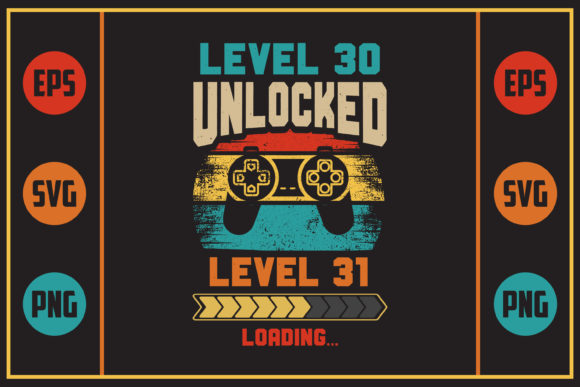
As a graphic designer who has spent the better part of two decades refining brand identities and creating marketing visuals for small businesses, I have learned that the difference between a good design and a great one often lies in the details. When a client approaches me with a request for a nostalgic, high-energy aesthetic, my mind immediately goes to pixel art and arcade culture. Recently, I had the opportunity to integrate Gaming Retro Design - Level 30 into a real-world client project, and I want to share my professional assessment of how this asset performs in a commercial environment.
The project involved a local boutique launching a limited-edition line of apparel and accessories targeted at millennials who grew up in the golden age of video games. The brief was specific: the design needed to feel authentic, not kitschy. It had to bridge the gap between playful nostalgia and modern sophistication. This is where selecting the right graphic design asset becomes critical. You cannot simply slap a generic icon on a shirt and call it branding. You need elements that hold up under scrutiny, scale well, and convey a specific mood instantly.
First Impressions and Visual Mood
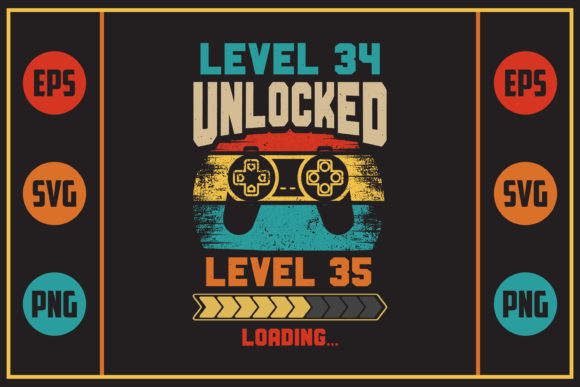
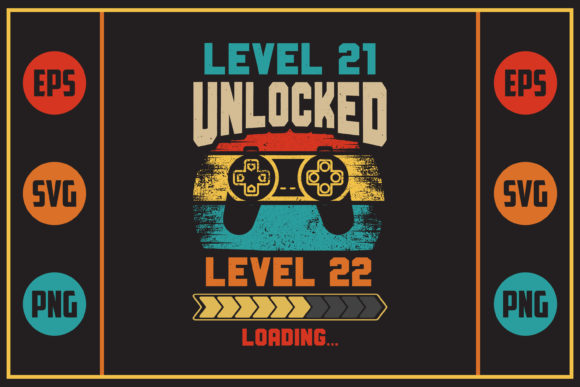
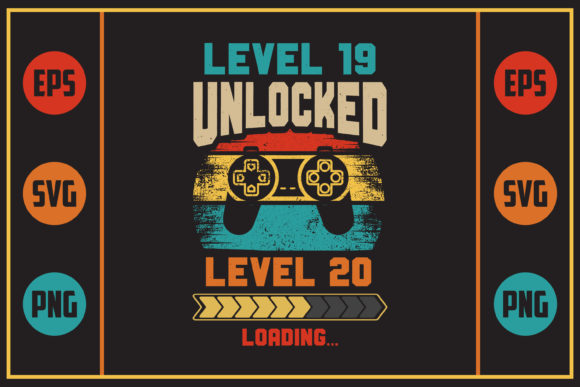
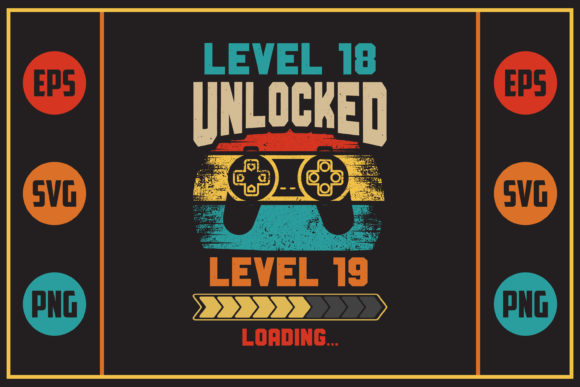
Upon opening the file, my first impression of Gaming Retro Design - Level 30 was one of clean precision. In the world of Crafts and digital fabrication, messy vectors are a nightmare. They cause cutting errors on plotters and rendering issues in web browsers. This asset, however, presented itself with sharp lines and balanced proportions. The visual mood it creates is unmistakably retro, evoking the neon-lit arcades of the eighties and nineties, yet it feels curated rather than chaotic.
The style represents a bridge between classic illustration techniques and modern minimalism. For a designer, this is invaluable. It means the asset can serve as a hero graphic in a large layout without overwhelming the viewer, or it can act as a subtle decorative accent in a more complex composition. The inherent energy of the design lends itself perfectly to projects that require high audience engagement, such as social media graphics for a product launch or eye-catching headers for a blog post about gaming culture.
Performance in Real Client Projects
I tested Gaming Retro Design - Level 30 across several mediums to gauge its versatility. In the realm of brand identity, it worked exceptionally well as a secondary logo element for the client’s sub-brand. When paired with a bold sans serif font, it created a cohesive look that felt both professional and playful. We used it extensively in packaging design, specifically on sticker labels for enamel pins and keychains. The clarity of the lines ensured that even at small sizes, the design remained recognizable and impactful.
For those involved in print-on-demand or running an Etsy product shop, this type of SVG design is a goldmine. I imported the file into Adobe Illustrator to test its editability. The paths were closed and clean, making it easy to adjust colors to match specific brand palettes. We experimented with various colorways, from classic neon green and black to softer pastels for a more contemporary twist. This flexibility is crucial for commercial design, where clients often request multiple variations for A/B testing in their marketing visuals.
The asset also shines in Cricut project applications. Because the file is provided as a scalable vector, it cuts cleanly on materials like vinyl, heat transfer paper, and cardstock. I used it to create custom tote bags and t-shirt designs for the client’s launch event. The result was crisp, with no jagged edges or unnecessary nodes that often plague lower-quality clipart. For designers using Silhouette Designer Edition or Inkscape, the compatibility is seamless, allowing for quick integration into existing workflows.
Strategic Placement and Visual Hierarchy
Understanding where to place a design element is just as important as the element itself. Gaming Retro Design - Level 30 works best in areas where it can breathe. I found it most effective when used as a central focal point on product mockups or as a standalone graphic on minimalist backgrounds. In these contexts, it drives visual hierarchy, drawing the eye immediately and establishing the theme of the piece.
However, there are situations where this asset should be used with caution. Due to its intricate details and strong personality, it can get lost in crowded layouts. If you are designing a dense flyer or a text-heavy editorial piece, using this graphic as a background element may reduce readability. It does not pair well with low-contrast designs or overly busy patterns. Furthermore, for corporate clients seeking a strictly minimalist or formal aesthetic, this retro style might clash with their established small business branding guidelines. It is essential to assess the overall tone of the project before committing to such a distinctive style.
Technical Considerations for Designers
Before delivering any final files to a client, I always run a series of technical checks. With Gaming Retro Design - Level 30, I started by testing it in black and white. This is a crucial step to ensure that the design relies on shape and form rather than just color for its impact. The result was positive; the silhouette remained strong and identifiable without color cues. Next, I checked the contrast on both light and dark backgrounds. The design held up well on dark modes, which is increasingly important for web design and app interfaces.
Since the purchase includes a digital download with an SVG file, inspecting the vector structure is mandatory. I opened the file in CorelDRAW and Adobe Suite to verify that all paths were optimized. There were no stray points or overlapping shapes, which simplifies the process of creating sublimation design prints or preparing files for large-format printing. For those using Canva, importing the SVG allows for easy customization within templates, making it a versatile tool for content creators who may not have advanced software skills.
It is also vital to confirm the licensing terms. As a professional, I always ensure that the commercial license covers the intended use, whether it is for physical products like mugs and shirts or digital assets like Pinterest pins and Instagram posts. This asset is designed for commercial use, which adds significant value for freelancers and agency owners who need reliable resources for client work.
Final Verdict for Creative Professionals
In conclusion, Gaming Retro Design - Level 30 is a robust addition to any designer’s toolkit. It offers a perfect blend of nostalgic charm and technical precision, making it suitable for a wide range of applications from t-shirt design to editorial design. Its ability to enhance brand consistency while adding emotional appeal makes it a standout choice for projects targeting gaming enthusiasts or retro-loving demographics.
For handmade business owners and digital sellers, this asset provides a quick way to elevate product offerings without spending hours on custom illustration. It saves time, ensures quality, and delivers a polished look that resonates with audiences. Whether you are creating a design bundle for your shop or working on a one-off sticker design, this graphic delivers the professional edge needed to succeed in today’s competitive creative marketplace. By understanding its strengths and limitations, you can leverage this asset to create compelling, high-quality visuals that drive engagement and sales.