Retro Gaming Graphics for Crafts: Level 19 Review
As someone who has spent years building digital storefronts and managing print-on-demand operations, I have learned that the difference between a listing that gathers dust and one that generates consistent sales often comes down to niche specificity and asset quality. When I recently acquired Gaming Retro Design - Level 19, my immediate goal was not just to admire the art, but to stress-test its viability for commercial use. In the crowded world of online selling, especially within the Crafts and Graphics categories, you need assets that are versatile, clean, and instantly recognizable to your target audience.
First Impressions and Niche Appeal
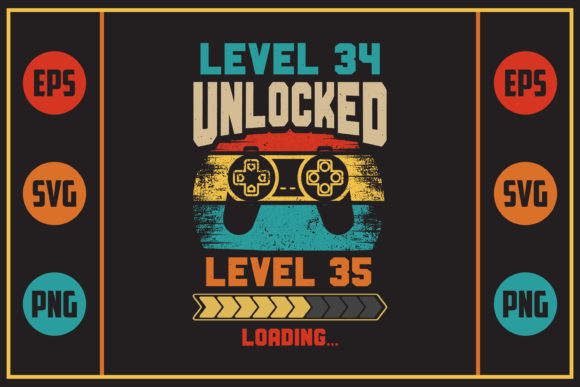
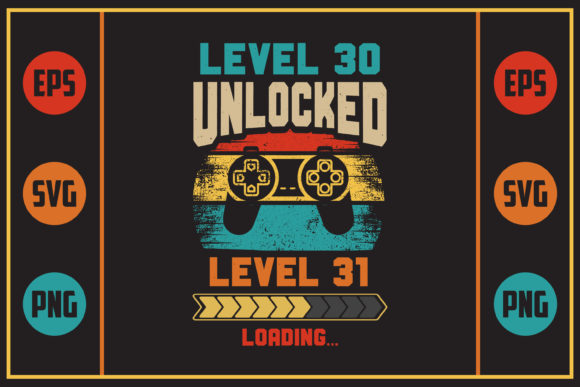
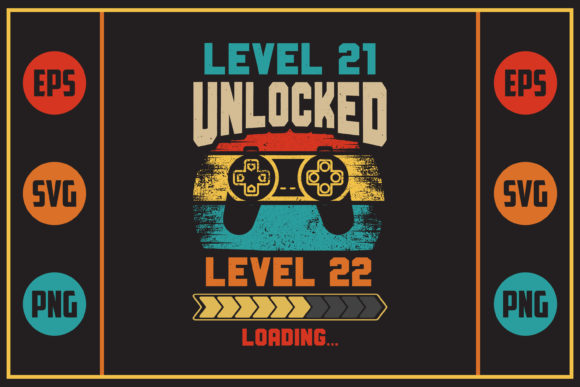
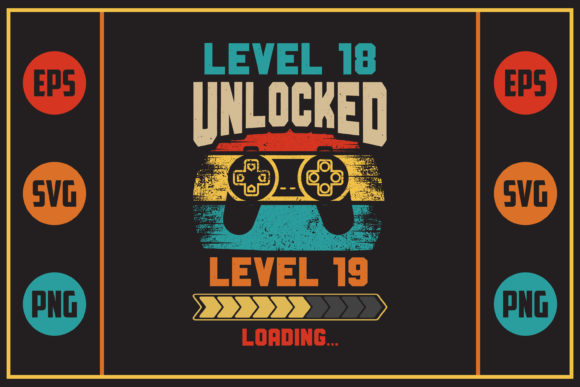
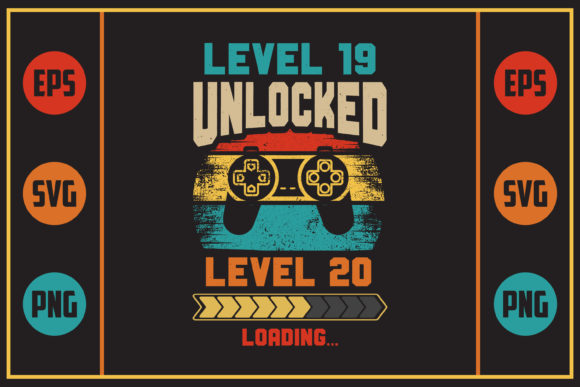
The first thing that strikes you about this asset is its authentic adherence to the retro gaming aesthetic. It does not try to be overly modern or sleek; instead, it leans into the pixelated, bold, and nostalgic vibe that defines the 8-bit and 16-bit eras. This visual personality is crucial because it speaks directly to a specific demographic: millennials who grew up with arcade cabinets, Gen Z enthusiasts of indie retro games, and parents looking for themed decor for gaming rooms.
The mood is playful yet bold. It feels commercial rather than handmade in the rustic sense, which is a significant advantage for scalability. When evaluating a graphic design asset like this, I look for clarity. Does the design hold up when scaled down for a sticker? Does it remain impactful when blown up for a poster? Gaming Retro Design - Level 19 passes this initial eye test with flying colors. The lines are distinct, and the concept is immediately understandable, which is vital for scrolling shoppers on platforms like Etsy or Creative Fabrica.
Technical Specifications and File Usability
For digital product creators, the file format is just as important as the visual design. Upon downloading, you receive a single .zip file containing one SVG file. This is a streamlined delivery method that keeps things simple for both the seller and the buyer. The SVG format is the gold standard for versatility. It ensures that whether you are using Cricut Explore, Silhouette Designer Edition, Adobe Illustrator, Inkscape, or CorelDRAW, the vectors remain crisp and editable.
It is important to note that this is a digital download only; there is no physical product shipped. For sellers, this means you must ensure your customers understand they are buying a file for creation, not a finished item. The single SVG structure allows for easy manipulation. You can change colors to match specific brand identities, separate elements if the design allows, and scale infinitely without losing resolution. This flexibility is what transforms a simple image into a powerful tool for creating diverse merchandise.
Real-World Product Applications
So, how do we monetize this? I tested Gaming Retro Design - Level 19 across several product types to gauge its potential. Here is where it shines:
- T-Shirt and Apparel Designs: The bold lines work exceptionally well for screen printing and direct-to-garment (DTG) prints. It stands out against dark fabrics, which are popular in the gaming niche.
- Sublimation Products: When applied to mugs, tumblers, and mousepads, the vibrant aesthetic of the design translates well. It creates a high-contrast look that appeals to gamers who want functional items with personality.
- Sticker Sheets and Planner Accessories: For Cricut users, the clean cut paths in the SVG make this ideal for kiss-cut stickers. It fits perfectly into "gamer life" planner kits or laptop decal packs.
- Printable Wall Art: Framed prints for nurseries or home offices benefit from the nostalgic charm. It serves as a conversation piece that bridges the gap between childhood nostalgia and adult decor.
- Social Media Graphics: Using the design in promotional visuals for gaming streams or tech blogs adds instant thematic relevance. It helps in building a cohesive brand identity for content creators in the tech space.
Enhancing Product Presentation
A great design can fail if presented poorly. When using Gaming Retro Design - Level 19 in your listings, focus on visual hierarchy. Your thumbnail should showcase the design in its most appealing context. For example, if you are selling a t-shirt, use a mockup that shows the shirt being worn in a casual, relatable setting. If you are selling a digital sticker pack, show the stickers applied to a water bottle or a laptop.
Consistency is key. If you are building a design bundle, ensure that this asset pairs well with other retro-themed elements. The perceived value increases when customers see a cohesive collection rather than isolated items. High-quality product mockups are non-negotiable here. They help the customer visualize the end result, reducing hesitation and increasing click-through rates. Remember, you are not just selling a file; you are selling the potential for a beautiful finished product.
Where to Use Caution
While versatile, this asset is not a one-size-fits-all solution. There are specific scenarios where you should exercise caution. First, avoid using it on products that require intricate, tiny details if the final output method is low-resolution printing. The retro style relies on blocky shapes, which can look muddy if printed too small on cheap paper.
Additionally, be mindful of background contrast. Since retro gaming designs often feature bright, neon-like colors, they may get lost on light or pastel backgrounds. Always test your design on both dark and light mockups. If you are creating a Canva template, ensure that any text added around the graphic does not clutter the composition. The design itself is strong, so let it breathe. Avoid placing it in crowded thumbnails where it competes with too many other visual elements.
Practical Seller Notes for Commercial Success
Before you publish your listings, take these practical steps to ensure professionalism and customer satisfaction:
- Test Cut Quality: If you are targeting Cricut or Silhouette users, run a test cut. Ensure the nodes in the SVG are clean and that there are no unnecessary anchor points that could cause cutting errors.
- Verify Transparency: If you convert the SVG to PNG for certain platforms, check that the background is fully transparent. A white halo around a retro design can look unprofessional.
- Font Pairing: Choose your typography carefully. Pixel fonts are an obvious choice, but sometimes a clean sans serif or a bold display font provides a nice modern contrast to the retro graphic. Avoid overly decorative script fonts, which may clash with the geometric nature of the design.
- Licensing Confirmation: Always double-check the commercial license terms. Ensure you understand the limits on sales volume or restricted uses. Protecting your small business branding means respecting intellectual property rights.
- File Organization: When delivering this to customers, include a clear README file. Explain how to unzip the file and import it into their preferred software. Good customer service starts with clear instructions.
In conclusion, Gaming Retro Design - Level 19 is a solid addition to any digital creator’s library. It offers a specific, high-demand aesthetic that performs well across various print-on-demand and digital download products. By testing it thoroughly, presenting it with high-quality mockups, and understanding its technical limitations, you can leverage this asset to create compelling, profitable listings in the competitive online marketplace. It is not just a graphic; it is a tool for storytelling, connecting with a passionate community, and building a reputable handmade business presence.