Level 22 Retro Gaming: A Designer’s Stitch Review
As an embroidery designer who has spent years translating digital concepts into thread, I approach every new machine embroidery design with a mix of curiosity and skepticism. We have all been there: you download a file that looks crisp on the screen, only to watch it pucker, distort, or lose its charm once the needle hits the fabric. That is why I took a close, practical look at Gaming Retro Design - Level 22. This is not just about aesthetics; it is about how this graphic holds up in the real world of handmade production.
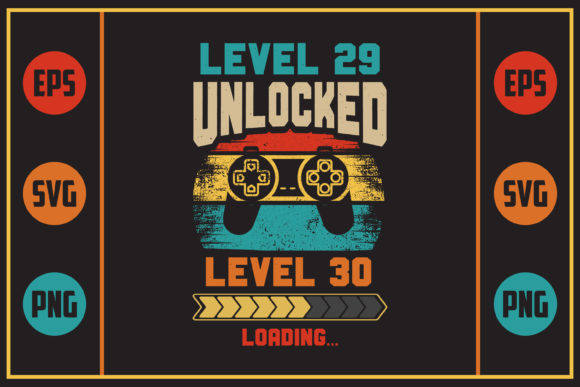
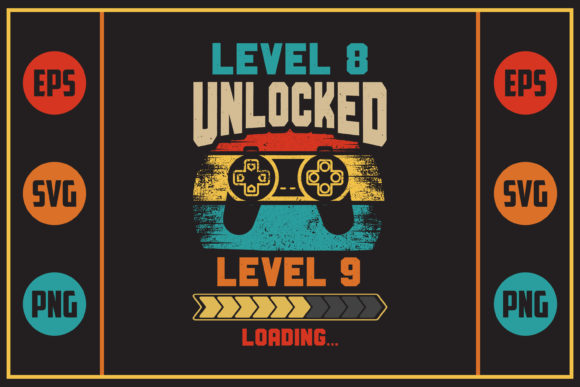
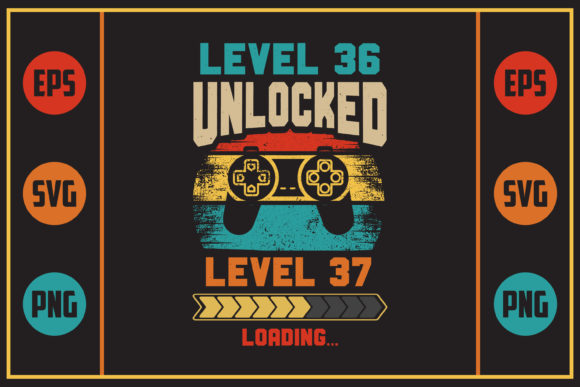
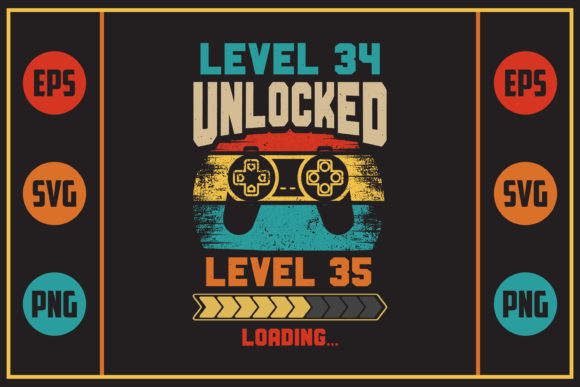
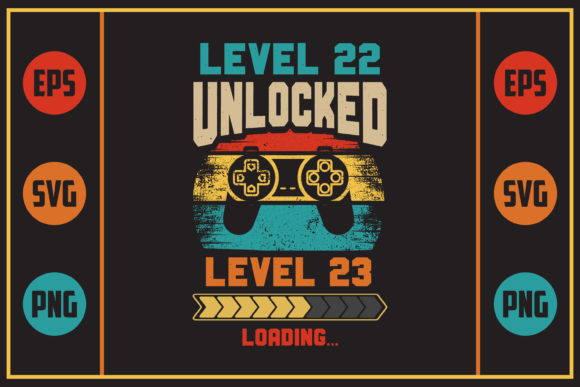
The first impression of Gaming Retro Design - Level 22 is nostalgic without being cluttered. It captures that specific pixel-art mood that defines retro gaming culture, but it does so with a clean layout that respects the limitations of embroidery. For those of us in the Crafts and Graphics space, finding a balance between detailed nostalgia and stitchable simplicity is often the hardest part of the job. This design seems to understand that assignment. It feels like it belongs on a well-loved sweatshirt or a sturdy tote bag, appealing to anyone who remembers the glow of a CRT monitor.
Real-World Application: The Custom Sweatshirt Test
To truly evaluate this design, I imagined a common scenario for many Etsy sellers and craft business owners: a custom order for a birthday gift. Let’s say a client wants a personalized hoodie for a gamer turning twenty-two. You need a design that reads clearly from across the room but still offers enough detail to feel premium up close.
Gaming Retro Design - Level 22 works exceptionally well here. The bold lines typical of retro graphics translate nicely into satin stitch or dense fill stitch areas, depending on how you digitize or prepare the file. Because the source is an SVG, you have control over scaling. However, as a reviewer, I must advise caution. If you scale it down too small for a left-chest logo, the "pixel" edges might become jagged or lost. On a full-back print or a large front-center placement, however, the visual personality shines. It creates an immediate connection with the wearer, turning a standard garment into a personalized gift with character.
Fabric Choices and Stitch Performance
The success of any embroidery project relies heavily on the marriage between thread and fabric. With a retro-themed graphic like this, texture plays a huge role. I recommend testing this on medium-weight cotton or a cotton-poly blend. These fabrics provide a stable base for the stitch density required to make the colors pop.
If you are planning to use this on a tote bag design, canvas is your best friend. The rigid structure supports the weight of the threads, ensuring the design lays flat. Conversely, be careful with stretchy fabrics like thin jersey knits. Without proper stabilization, the geometric precision of the retro style can warp. Always use a cut-away stabilizer for garments that will be washed frequently. This prevents the design from pulling away from the fabric over time, maintaining the professional look your customers expect from a small shop product.
For those considering this for an embroidered patch, the bold outlines are a significant advantage. Patches require high contrast and clear boundaries, and this design delivers both. It would look fantastic ironed onto a denim jacket or a backpack, adding a layer of customization that appeals to the handmade market.
Navigating Technical Constraints
It is important to address the technical specifics provided. The product description states: WHAT YOU GET DIGITAL DOWNLOAD ONLY no physical product Your purchase includes one .zip file with the following 1 SVG file – For Cricut Explore, Silhouette Designer Edition, Adobe Suite, Inkscape, Core.
This is a crucial distinction for embroidery professionals. An SVG is a vector graphic, not a native machine embroidery file like PES or DST. This means you cannot simply load it into your embroidery machine. You must use software to convert the SVG into stitches. This offers flexibility—you can choose your own thread colors, adjust the hoop size, and decide between applique design techniques or standard stitching—but it also requires skill. If you are not experienced in digitizing, you may need to invest time in learning how to assign stitch types effectively. Ensure you check the license terms before selling finished product items, as commercial rights can vary between designers.
When working with dark fabrics, consider how the colors interact. Retro gaming palettes often rely on bright neons against black backgrounds. If you are stitching on a navy or black sweatshirt embroidery project, ensure your thread choices have enough luminosity. A quick test on scrap fabric is non-negotiable here. Check for thread breaks in dense areas and ensure the underlay stitches are sufficient to prevent the fabric from showing through.
Commercial Viability and Brand Appeal
From a business perspective, Gaming Retro Design - Level 22 has strong potential for niche marketing. The gaming community is vast and passionate. Using this design in your digital embroidery file library allows you to tap into trends that do not fade quickly. Nostalgia is a powerful sales driver.
For commercial embroidery projects, consistency is key. This design’s clean lines help maintain brand consistency if you are creating a line of merchandise. It looks professional in printable mockup previews, which is essential for online listings. When customers see a crisp, well-defined image in your shop, they trust the quality of the handmade product they will receive.
However, avoid using this on items where fine detail is lost, such as curved surfaces like caps, unless you have extensive experience with cap digitizing. The flat nature of the pixel art can distort on the curved panels of a hat. Stick to flat surfaces like aprons, kitchen towel hems, or pillow covers for the best results.
Final Verdict for Makers
In conclusion, Gaming Retro Design - Level 22 is a versatile asset for the modern maker. It bridges the gap between digital design assets and tangible Crafts. While it requires the extra step of conversion from SVG to stitch, this flexibility allows for greater creative control. Whether you are creating holiday embroidery gifts, baby embroidery items for gamer parents, or stock for your boutique, this design offers a solid foundation.
Remember to respect the materials. Choose your fabrics texture wisely, stabilize correctly, and test your tension. When executed with care, this design elevates a simple item into a cherished keepsake. It is a reminder that in the world of embroidery, the best designs are those that invite us to play, create, and connect.