Animal Lover Design: A Designer’s Real-World Review
As a designer who spends half my life staring at stitch maps and the other half troubleshooting thread breaks, I approach every new machine embroidery design with a healthy dose of skepticism. We have all been there: you download a cute graphic, load it onto your machine, and watch in horror as the satin stitches pull the fabric into a puckered mess. That is why I took a close, practical look at the Animal Lover design before committing it to any client work or personal projects. This is not just about whether the image looks pretty on a screen; it is about how it performs under the needle.
First Impressions: Mood and Visual Personality
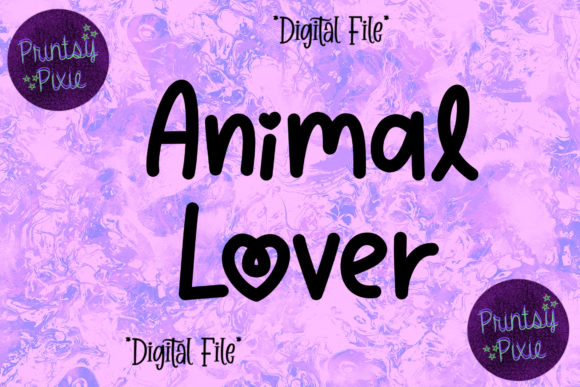
The first thing that strikes me about Animal Lover is its approachable charm. It does not try to be overly complex or hyper-realistic, which is often a trap for digital files intended for embroidery. Instead, it leans into a clean, graphic aesthetic that translates well to thread. The layout feels balanced, with a visual weight that suggests it was created with stitching in mind, even if it originates as a vector or transparent image file.
The mood is warm and inviting, making it an ideal candidate for products that rely on emotional connection. Whether you are targeting pet owners, wildlife enthusiasts, or parents looking for nursery decor, the design speaks a universal language of affection. For those of us selling handmade products, this immediate emotional resonance is crucial. It stops the scroll on social media and invites a closer look, which is the first step in converting a browser into a buyer.
Real-World Application: From Concept to Finished Product
To truly evaluate Animal Lover, I imagined it in several common scenarios. Let’s start with a classic: the custom tote bag. Canvas is forgiving, but it can be unforgiving if the design is too dense. Because this design appears to have open spaces and clear lines, it would likely sit beautifully on a heavy cotton tote. The thread colors would pop against the natural beige background, creating a boutique-quality look that elevates a simple bag into a statement piece.
I also considered its use on sweatshirt embroidery. Fleece and French terry are thick, requiring designs that do not get lost in the pile. Animal Lover has the structural integrity to hold its own here. If you are using it for custom apparel, such as a crewneck for a local animal shelter fundraiser, the clarity of the shapes ensures readability from a distance. It is not just a decoration; it is a badge of identity for the wearer.
For Etsy sellers and small shop owners, versatility is key. This design could easily transition into a personalized gift market. Imagine it stitched onto a baby onesie or a burp cloth. However, this requires caution. While the design is appealing for baby embroidery, you must ensure the scale is appropriate. A design that looks perfect on a pillow might be overwhelming on a tiny sleeve. Always adjust the size to fit the garment proportionally.
Technical Considerations and Fabric Compatibility
Here is where the rubber meets the road. Since Animal Lover is provided as an SVG file and a transparent image file, it is technically a graphic asset compatible with software like Cricut Design Space and Silhouette. This is a critical distinction for embroidery designers. You cannot simply plug an SVG into an embroidery machine. You must digitize it or convert it using specialized software to create the actual stitch file.
If you are digitizing this yourself, pay close attention to stitch density. Animal fur or feathers can tempt you to use excessive fill stitch coverage, but this leads to stiffness and potential needle breaks. I recommend using a combination of satin stitch for outlines and lighter fill patterns for larger areas. If you are buying a pre-digitized version based on this graphic, check the underlay settings. Good underlay stabilizes the fabric before the top stitches go down, preventing shifting.
Fabric texture plays a massive role here. On smooth cotton or polyester blends, Animal Lover will look crisp. On textured fabrics like linen or wool, you may need to increase the stitch count slightly to ensure the design remains visible. Avoid using this on highly stretchy fabrics without a robust cut-away stabilizer. The tension from the stitches can distort the animal shapes if the fabric moves during stitching.
Navigating Challenges: Small Hoops and Dark Fabrics
One area where I would exercise caution is with small hoop sizes. If you are attempting to put Animal Lover on a cap or a small embroidered patch, you must simplify. Tiny details get lost in the curvature of a baseball cap. What looks sharp on a flat screen can become a blob of thread on a curved surface. Test stitch on a similar curved scrap piece first.
Dark fabrics present another challenge. If you are stitching on black or navy, you cannot rely on the fabric color to define the edges. You will need high-contrast thread colors. A dark brown animal on a black shirt will vanish. Consider using a lighter outline or a backing stitch to make the design pop. This is especially important for holiday embroidery projects, where dark velvets or deep greens are common.
Commercial Value and Brand Consistency
For craft business owners, the value of Animal Lover lies in its adaptability. It fits seamlessly into a brand identity that values warmth, nature, and care. Using consistent design assets like this helps build customer trust. When a buyer sees a cohesive look across your tote bag design, aprons, and tea towels, they perceive higher professionalism.
Moreover, this design works well for printable mockup creation. Before you stitch a single thread, you can place the transparent image file onto product photos to gauge visual appeal. This saves time and materials. It allows you to test different colorways virtually, ensuring that your final finished product matches your marketing images.
Practical Designer Notes for Best Results
Before you launch this design into your production line, follow these practical steps:
- Test on Scrap Fabric: Never skip this. Stitch the design on the same type of fabric you plan to use for the final product. Check for puckering, thread breaks, and registration issues.
- Check Thread Contrast: Ensure your thread choices provide enough contrast against the fabric. Use a color wheel to find complementary or high-contrast pairings.
- Verify Licensing: Since this is a graphic file, confirm the license terms. Can you sell items made with the digitized version? Can you resell the digital file? Always clarify this with the creator to protect your small shop product line.
- Digitize with Care: If you are converting the SVG, pay attention to corner points. Sharp corners in vectors can cause needle jumps in embroidery. Round them off slightly for smoother stitching.
- Use Proper Stabilizer: Match your stabilizer to your fabric. Cut-away for knits, tear-away for wovens. Do not skimp on stabilization, as it is the foundation of a professional look.
In conclusion, Animal Lover is a strong contender for your design assets library. It offers the flexibility needed for various commercial embroidery projects while maintaining the charm that drives sales in the handmade market. By respecting the technical limitations of embroidery and preparing your files correctly, you can turn this graphic into a standout product that customers love to wear, use, and gift.