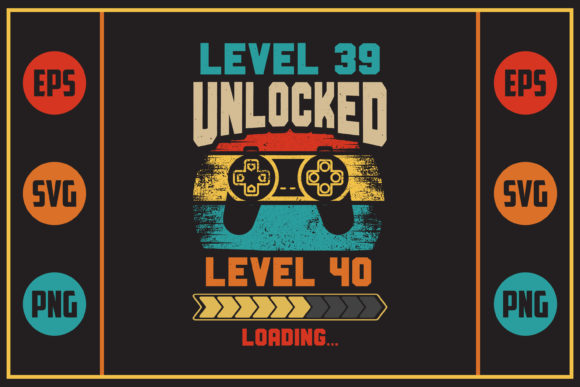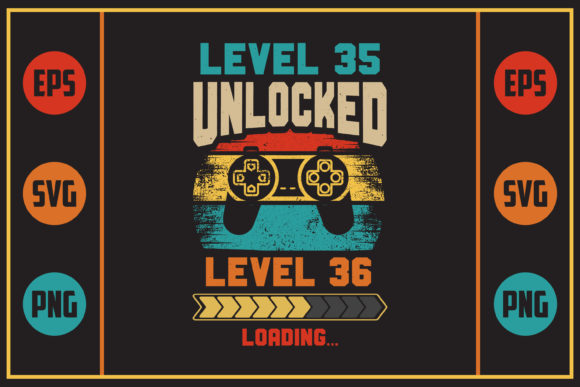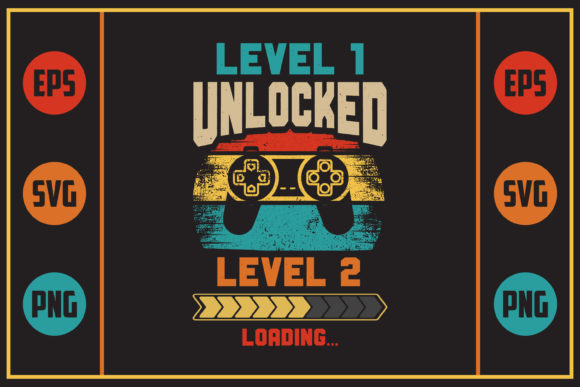
Gaming Retro Graphics for Crafts & Web
As a digital publisher who has spent over a decade refining the visual identity of high-traffic blogs and affiliate sites, I have learned that the difference between a bounce and a conversion often comes down to split-second visual recognition. When I first encountered Gaming Retro Design - Level 1, my immediate instinct was not just to admire the aesthetic, but to evaluate its utility in a real-world content workflow. In the crowded landscape of content marketing, standing out requires more than just good writing; it demands a cohesive brand identity that speaks directly to your audience’s nostalgia and interests.
This asset is not merely a decorative element; it is a strategic tool for bloggers, newsletter creators, and online educators targeting the gaming, tech, or pop-culture niches. The retro gaming aesthetic evokes a specific emotional response—playfulness, nostalgia, and community. When integrated correctly into your editorial design, it can significantly lower the barrier to entry for new readers, making complex topics feel approachable and fun. However, like any powerful graphic design asset, it must be wielded with precision to maintain professional credibility while delivering that punchy, nostalgic vibe.
Elevating Editorial Mood and Reader Perception
The first impression of Gaming Retro Design - Level 1 is undeniably bold. It carries a distinct energy that feels both artistic and modern, despite its retro roots. For publishers, this means the asset naturally supports content niches that thrive on enthusiasm and engagement. If you are running a lifestyle blog with a tech twist, a gaming news portal, or an educational site teaching coding through gamification, this design fits seamlessly. It does not feel overly corporate or stiff; instead, it brings a human, creative touch to your web design.
Reader trust is built on consistency. When your visuals align with your voice, your authority increases. Using a cohesive set of design assets like this helps establish a recognizable visual language. Whether you are creating a Pinterest pin to drive traffic or designing a website header for a new campaign, the retro style signals to the user that they are in a space that values creativity and fun. This is crucial for affiliate marketers who need to keep users engaged long enough to consider a recommendation. A playful, well-designed visual can reduce the perceived "salesiness" of an affiliate link by framing it within a context of genuine enthusiasm.
Practical Applications in Content Publishing
So, how do we actually use this in a daily publishing workflow? The versatility of Gaming Retro Design - Level 1 allows it to serve multiple functions across your digital ecosystem. Here is how I would deploy it in a real case scenario:
- Blog Featured Images: Use the design as a background layer or accent in your featured images. It adds depth and interest without overpowering the headline text, improving your click-through rate from social feeds.
- Pinterest Graphics: Pinterest is a visual search engine where vertical graphics reign supreme. This asset works beautifully as a focal point in tall pins, drawing the eye before the user even reads the title.
- Newsletter Banners: Email open rates are influenced by subject lines, but click-throughs are driven by design. Incorporating this retro motif into your newsletter headers can break the monotony of standard email templates.
- Digital Guides and eBooks: If you are selling or giving away a digital guide on gaming setups or retro tech history, this design can serve as a chapter divider or cover accent, enhancing the perceived value of the digital product.
- Social Media Graphics: Consistency across Instagram, Twitter, and Facebook is key. Use elements from this pack to create a template for quotes, announcements, or behind-the-scenes posts.
For those who rely on tools like Canva, having a high-quality SVG means you can import this into a Canva template and scale it infinitely without losing resolution. This is a massive advantage for small business branding, where you need to repurpose one asset across dozens of different formats, from story ads to profile pictures.
Technical Specifications and File Utility
From a technical standpoint, the delivery method of Gaming Retro Design - Level 1 is optimized for modern creators. It is important to note that this is a digital download only; there is no physical product shipped. Your purchase provides a single .zip file containing one high-resolution SVG file. This format is ideal because SVGs are vector-based, meaning they remain crisp at any size. This is critical for commercial design work where you might need the same image on a tiny mobile icon and a large desktop banner.
The compatibility is broad, supporting industry-standard software. You can use it with Cricut Explore and Silhouette Designer Edition for physical merchandise if you expand into Crafts and print-on-demand. For digital publishers, its compatibility with Adobe Suite, Inkscape, and CorelDRAW ensures it fits into any professional workflow. Whether you are a graphic designer tweaking curves or a blogger simply resizing for a post, the file structure is clean and manageable.
Strategic Placement and Visual Hierarchy
To maximize the impact of this asset, you must understand visual hierarchy. The design works best when it supports the content, not when it competes with it. Use it in hero images to anchor the top of your page, or as an editorial accent beside pull quotes. It is particularly effective in lead magnet designs, where a strong visual hook can increase conversion rates on signup forms.
However, caution is required. Avoid using this design in small mobile thumbnails where details may get lost. It is also not suitable for text-heavy blog images unless you add a solid overlay to ensure readability. Be mindful of contrast; retro colors can sometimes clash with certain background hues. Always test your designs on both desktop and mobile screens. Preview the asset inside your actual blog layout, not just in isolation. Check how it looks next to serif, sans serif, script, and display fonts. The right font pairing can elevate the retro feel, while the wrong one can make it look dated in a negative way.
Performance and Licensing Considerations
Finally, consider web performance. While SVGs are generally lightweight, always review file size and compress images properly if you convert them to PNG or JPG for specific platforms. Slow-loading pages hurt SEO and user experience. Additionally, confirm the commercial license terms before using Gaming Retro Design - Level 1 on monetized websites, affiliate pages, or paid content products. Understanding your rights ensures you can use this creative design confidently in your affiliate marketing campaigns without legal worry.
In conclusion, Gaming Retro Design - Level 1 is a potent addition to your library of Graphics and Crafts resources. It offers a unique blend of nostalgia and modern utility that, when applied with strategic intent, can enhance your blog graphics, strengthen your brand identity, and improve overall engagement. For the serious digital publisher, it is not just an image; it is a component of a larger, more compelling visual narrative.