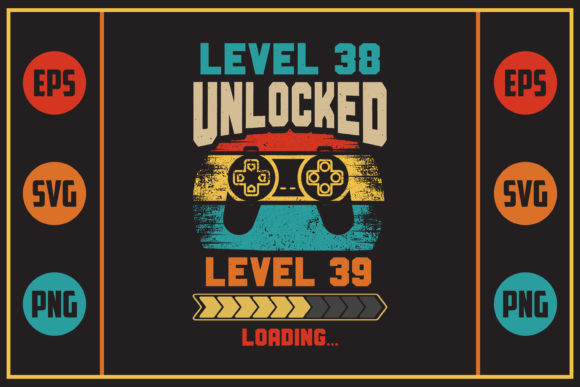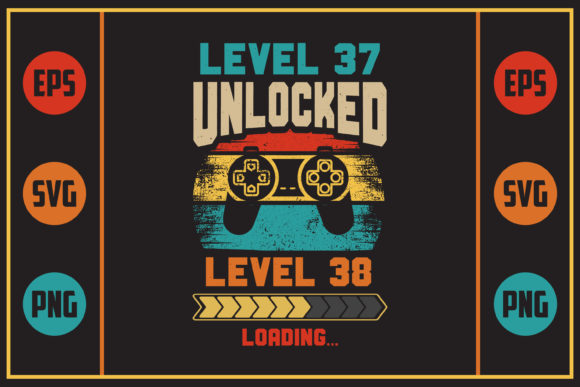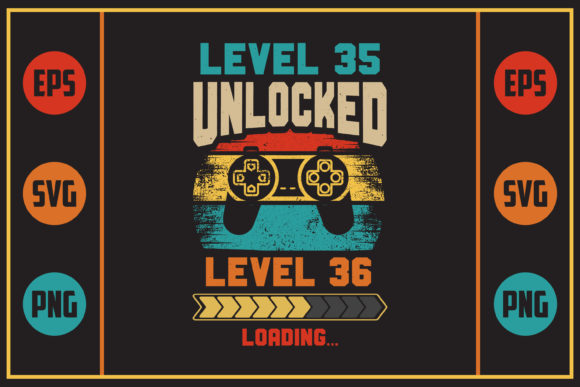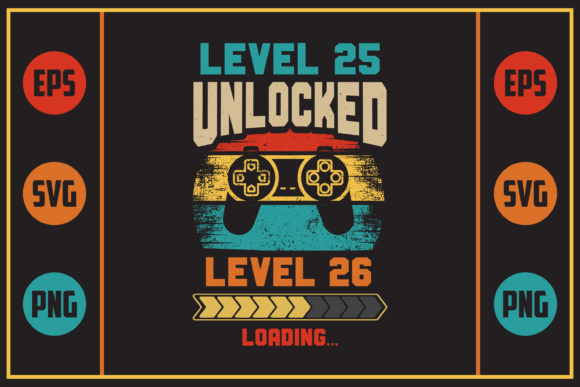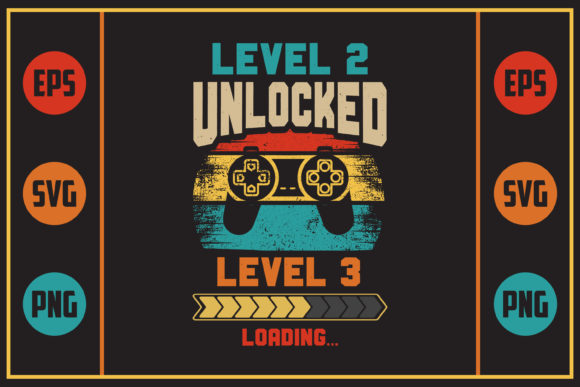
Gaming Retro Design - Level 2: Graphics for Crafts
As a digital publisher who has spent over a decade refining the visual identity of high-traffic blogs and editorial platforms, I approach every new graphic design asset with a critical eye. It is not enough for a design to simply look good in isolation; it must perform within the complex ecosystem of web design, social media algorithms, and reader psychology. Recently, I integrated Gaming Retro Design - Level 2 into a content workflow for a niche lifestyle and gaming blog, and the results offered valuable insights into how retro aesthetics can modernize blog graphics when used strategically.
First Impressions and Editorial Mood
The moment I unzipped the file, the immediate impression was one of nostalgic energy. Gaming Retro Design - Level 2 does not shy away from its influences. It captures the pixelated charm and bold geometric lines characteristic of early arcade culture, yet it feels curated rather than chaotic. For a publisher, this distinction is vital. We are not just decorating; we are establishing an editorial design tone that signals authority and fun simultaneously.
This asset creates a playful, energetic mood that naturally supports content niches focused on gaming, technology nostalgia, creative hobbies, and even modern Crafts that lean into pop culture. It feels artistic and bold, avoiding the sterile look of corporate templates while maintaining enough structure to remain professional. When placed against a clean white background, the design pops, creating an instant visual hook that can significantly improve click-through rates on crowded feeds.
Integrating the Asset into Real Publishing Workflows
The true test of any digital product is its versatility across different media formats. During my review, I tested Gaming Retro Design - Level 2 across several key touchpoints in a standard content publishing pipeline.
- Pinterest Pins: The vertical adaptability of the design allowed for striking Pinterest graphics. By layering the SVG over solid color blocks, I created pins that stood out in a sea of photography-heavy content.
- Website Headers: Using the asset as a subtle background pattern or a hero image accent added depth to the website header without distracting from the headline text.
- Newsletter Graphics: In email marketing, visual consistency builds trust. Incorporating this design into newsletter banners helped reinforce brand identity, making the emails feel like a natural extension of the blog.
- Digital Guides and Lead Magnets: I used the design elements to create chapter breaks in a downloadable PDF guide. This improved the visual hierarchy, making the content easier to scan and more engaging to read.
For those involved in affiliate marketing or selling printable design products, this asset serves as an excellent foundation for creating cohesive Canva template kits. The retro vibe appeals strongly to audiences interested in DIY projects, allowing small business owners to create unique social media graphics that resonate with a specific demographic.
Technical Specifications and File Utility
From a technical standpoint, the delivery method is streamlined for efficiency. When you purchase Gaming Retro Design - Level 2, you receive a single .zip file containing one high-quality SVG file. This format is ideal for modern workflows because SVGs are scalable vector graphics, meaning they retain crisp edges at any size—from a tiny favicon to a large billboard.
The compatibility is extensive. The file works seamlessly with Cricut Explore and Silhouette machines for physical crafting projects, but for digital publishers, its value lies in its compatibility with Adobe Suite, Inkscape, and CorelDRAW. This flexibility allows designers to manipulate colors, adjust paths, and integrate the design into complex layouts without losing resolution. It is a true digital download that bridges the gap between physical Crafts and digital Graphics.
Strategic Placement and Visual Performance
To maximize the impact of this asset, context is everything. I found that Gaming Retro Design - Level 2 works best in areas where it can command attention without competing with dense text. Hero images, article thumbnails, and category visuals are prime real estate for this design. It strengthens brand identity by providing a consistent visual cue that readers begin to associate with your content.
However, there are scenarios where caution is required. On small mobile thumbnails, intricate details of retro designs can sometimes become muddy if the contrast is not managed properly. I recommend testing the design on various screen sizes to ensure clarity. Additionally, avoid using this asset on text-heavy blog images where readability is paramount. The bold nature of the design can clash with busy layouts or serious professional niches that require a minimal, understated aesthetic. It is not suited for corporate financial reports or legal advisories, but it shines in creative, educational, and entertainment sectors.
Prublisher Notes for Optimal Results
Before deploying Gaming Retro Design - Level 2 on a live site, I conducted a series of practical tests that I recommend for all publishers. First, preview the design inside a real blog layout rather than just in your design software. Context changes perception. Check how it looks beside different typography styles. I found it paired exceptionally well with bold sans serif fonts for headlines, creating a modern contrast, while script fonts tended to compete too much for attention.
Contrast and readability are non-negotiable. Ensure that the colors of the design do not blend into your background. If your site uses a dark mode, test the asset in black and white or invert the colors to maintain visibility. Furthermore, consider web performance. While SVGs are generally lightweight, always review file size and compress images properly if you convert them to PNG or JPEG for specific platforms.
Finally, always confirm the commercial licensing terms. If you are using this asset for monetized websites, affiliate pages, or paid content products, ensure your usage aligns with the license provided by the creative marketplace. Proper licensing protects your business and supports the creators who provide these essential design assets.
Enhancing Content Marketing Through Visual Identity
In the realm of content marketing, visual consistency is a form of currency. Readers are more likely to trust and return to a site that presents a polished, professional appearance. Gaming Retro Design - Level 2 offers a way to inject personality into your small business branding without sacrificing professionalism. It transforms standard blog graphics into memorable visual experiences.
Whether you are creating a digital guide, designing a lead magnet, or simply updating your social media presence, this asset provides the creative flexibility needed to stand out. It supports a modern design approach that values nostalgia but executes it with contemporary precision. For bloggers and publishers looking to elevate their visual communication, integrating such targeted creative design elements is a low-effort, high-reward strategy.
Ultimately, Gaming Retro Design - Level 2 is more than just a clipart file; it is a tool for enhancing reader engagement. By carefully considering where and how to apply it, you can improve your site’s aesthetic appeal, strengthen your visual identity, and create a more immersive experience for your audience. In a digital landscape saturated with generic templates, owning unique, high-quality commercial design assets is the key to building a lasting and recognizable online presence.