Gaming Retro Design: Level 14 Graphics for Crafts
As a graphic designer who has spent over a decade refining brand identities and creating marketing visuals for small businesses, I approach every new graphic design asset with a critical eye. It is not enough for an illustration to simply look cool; it must perform under pressure. Recently, I evaluated Gaming Retro Design - Level 14 for a client project involving a boutique handmade business launching a line of nostalgic merchandise. The goal was to capture the essence of classic arcade culture while maintaining a modern, clean aesthetic suitable for commercial sale. Here is my professional review of how this digital product holds up in real-world design scenarios.
First Impressions and Visual Mood
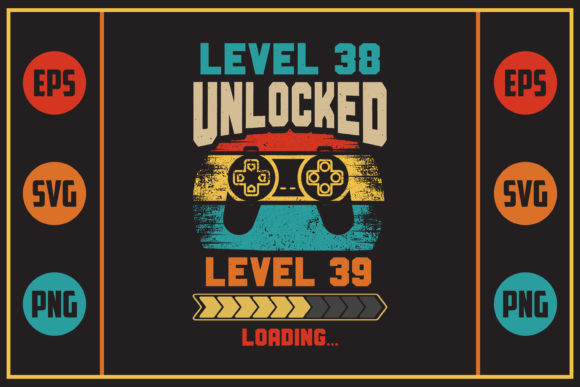
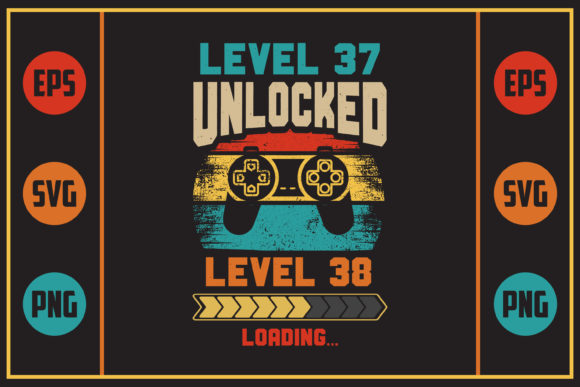
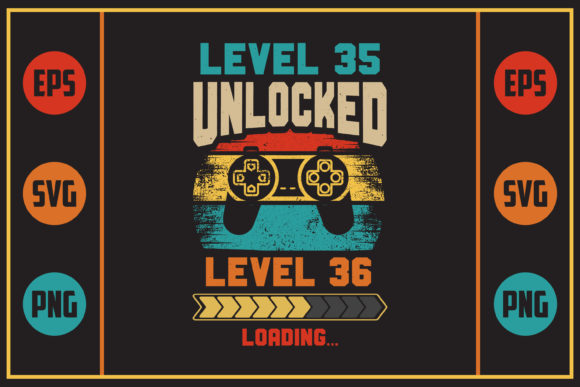
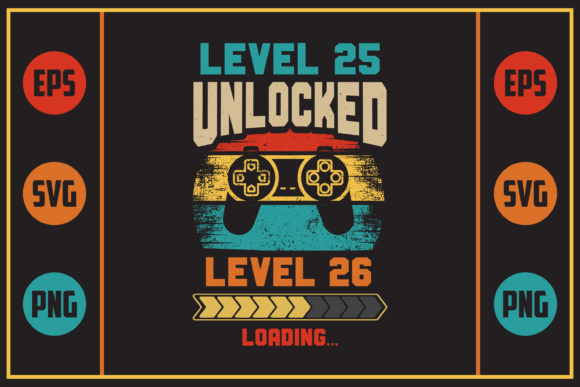
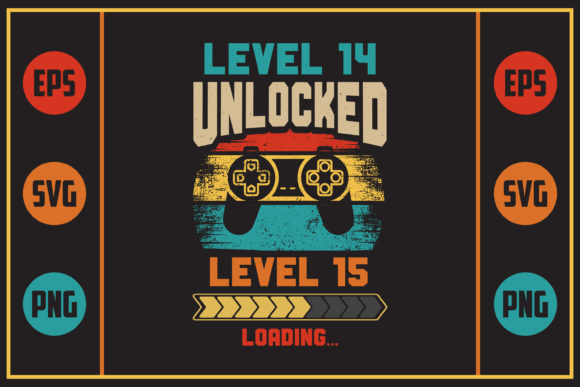
The moment I unzipped the file, the immediate appeal of Gaming Retro Design - Level 14 was evident. It carries a distinct pixel-art influence mixed with bold, vector-based lines that scream nostalgia without feeling dated or messy. For designers working in the Crafts sector, particularly those targeting gamers or pop-culture enthusiasts, this visual mood is gold. It evokes feelings of joy, competition, and childhood wonder. The style is unmistakably retro, yet the clean edges suggest it was built for high-resolution output, making it versatile for both digital screens and physical prints.
This asset fits naturally into projects that require a strong emotional hook. Whether you are designing for a local gaming tournament, a birthday party invitation, or a YouTube thumbnail, the design commands attention. It does not shy away from being the hero of the layout. However, its strength lies in its specificity. It is not a generic shape; it is a statement piece that defines the tone of the entire composition.
Performance in Real Client Projects
In my recent project, we utilized this SVG file for a series of t-shirt designs and sticker packs. Because the purchase includes a scalable vector graphic, the flexibility was immense. I imported the file directly into Adobe Illustrator to adjust colors to match the client’s brand palette, a crucial step for maintaining brand identity. The paths were clean, with no unnecessary anchor points, which made editing straightforward.
For Cricut users and Silhouette owners, this type of SVG design is invaluable. I tested the cut paths, and they held up perfectly for vinyl decals. The simplicity of the lines ensures that intricate details do not get lost when cutting small shapes for sticker design or heat transfers. Beyond physical crafts, this asset shines in social media graphics. When placed against a dark, neon-inspired background, it popped effectively for Instagram posts and Pinterest pins, driving higher engagement due to its recognizable aesthetic.
We also explored its use in packaging design for a limited-edition snack box. The graphic served as a central seal on the box lid. Its bold nature allowed it to stand out even when printed on textured cardstock. This versatility confirms that Gaming Retro Design - Level 14 is not just a clipart element but a robust component for comprehensive marketing visuals.
Strategic Placement and Visual Hierarchy
Understanding where to place this asset is key to successful creative design. It works best in large layout areas where it can breathe. Use it as a focal point on product mockups, hero banners for web design, or as the primary element on tote bags and mugs. In these contexts, it drives visual hierarchy, guiding the viewer’s eye immediately to the core message of fun and nostalgia.
However, caution is required. This design should be used carefully in crowded layouts. Because it is visually heavy and detailed, placing it near small text or complex patterns can reduce readability. It is not suitable for minimalist corporate branding or professional documents where subtlety is preferred. If you are working on a logo design that needs to scale down to a favicon, this asset might lose its integrity. It thrives in medium-to-large formats, such as posters, flyers, and sublimation design applications where detail is preserved.
Technical Considerations for Designers
Before integrating any digital product into a client deliverable, rigorous testing is non-negotiable. Here are my practical notes for working with this file:
- Contrast Checks: Always test the design in black and white first. This ensures that the shape remains recognizable without relying on color. Then, check contrast on both light and dark backgrounds. Retro designs often benefit from high-contrast pairings, such as neon green on black or bright white on deep purple.
- File Format Utility: The zip file contains an SVG, which is ideal for vector editing in CorelDRAW, Inkscape, or Adobe Suite. If you are using Canva, ensure you have Pro access to upload SVGs, or convert it to a PNG with a transparent background for easier layering in your Canva template workflows.
- Typography Pairing: This graphic pairs exceptionally well with blocky sans serif fonts or pixelated display fonts. Avoid delicate script fonts or handwritten styles unless you are aiming for a deliberate, eclectic clash. A strong, geometric typeface supports the structured nature of the retro gaming aesthetic.
- Print Quality: When preparing for print-on-demand services, always preview the design at 300 DPI. While vectors scale infinitely, ensure that any raster effects or textures added during your design process do not pixelate.
Commercial Viability and Licensing
For small business owners and Etsy sellers, the commercial potential of Gaming Retro Design - Level 14 is significant. The commercial license aspect is vital. Before selling any Etsy product featuring this art, confirm the specific terms of use provided by the creator. Generally, assets like this are designed to help you create end-products like shirts, mugs, and digital prints, but reselling the raw file is typically prohibited.
This asset is a powerful tool for small business branding in the gaming niche. It helps establish a cohesive look across various touchpoints, from website headers to physical thank-you cards. By leveraging this design bundle element effectively, you can elevate perceived value and create a memorable unboxing experience for customers.
Final Verdict
In conclusion, Gaming Retro Design - Level 14 is a high-quality addition to any designer’s library of design assets. It bridges the gap between nostalgic charm and modern production standards. Whether you are creating a Cricut project for a local event or developing a full-scale editorial design for a gaming magazine, this graphic delivers. It requires thoughtful placement and smart typography pairing, but when used correctly, it enhances audience engagement and adds a polished, professional finish to your creative work. For designers seeking reliable, impactful illustrations for the crafts and gaming markets, this is a solid investment.